


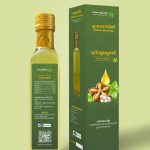
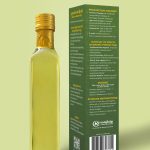

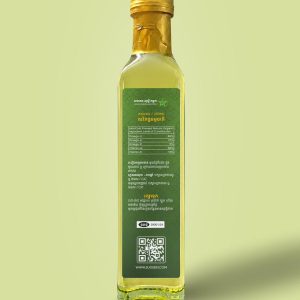
Benefits of Omega Sacha Inchi oil
Benefits of Sacha Inchi Oil: Scientific Evidence on Its Nutritional Value and Bioactive Compounds
Introduction
Sacha Inchi Oil, extracted from the seeds of Plukenetia volubilis L., has attracted increasing attention in the fields of nutrition and health due to its high content of unsaturated fatty acids, particularly Alpha-Linolenic Acid (ALA, Omega-3), as well as Linoleic Acid (Omega-6), Oleic Acid (Omega-9), Vitamin E (Tocopherols), and Phytosterols.
Numerous scientific studies have confirmed the chemical composition and nutritional value of Sacha Inchi Oil. However, any health-related claims should be based on high-quality scientific evidence and should not extend beyond the findings supported by current research.
What Has Scientific Research Found?
Chemical analyses have shown that Sacha Inchi Oil is distinguished by its exceptionally high content of unsaturated fatty acids, which account for more than 80% of its total fatty acid composition.
Its principal bioactive components include:
- Alpha-Linolenic Acid (ALA, Omega-3) – a plant-based omega-3 essential fatty acid.
- Linoleic Acid (Omega-6) – an essential fatty acid required for normal body functions.
- Oleic Acid (Omega-9) – a monounsaturated fatty acid.
- Vitamin E (Tocopherols) – naturally occurring antioxidants.
- Phytosterols – naturally occurring plant sterols.
These compounds contribute significantly to the nutritional quality and value of Sacha Inchi Oil.
Health Benefits Supported by Scientific Evidence
1. An Excellent Plant-Based Source of Omega-3 (ALA)
Sacha Inchi Oil is recognized as one of the richest plant sources of Alpha-Linolenic Acid (ALA).
ALA is an essential fatty acid that cannot be synthesized by the human body and therefore must be obtained through the diet.
2. A Natural Source of Vitamin E
Sacha Inchi Oil naturally contains tocopherols, the primary form of Vitamin E.
Vitamin E functions as a natural antioxidant and helps protect unsaturated fatty acids from oxidative damage.
3. Contains Naturally Occurring Phytosterols
Phytosterols are naturally occurring plant sterols.
Chemical analyses have identified β-Sitosterol as one of the predominant phytosterols present in Sacha Inchi Oil.
4. Rich in Unsaturated Fatty Acids
Unsaturated fatty acids are an important component of a healthy diet and are recommended by international health organizations.
Sacha Inchi Oil contains a high proportion of these beneficial fatty acids.
5. Suitable for Dietary Consumption
Available clinical studies have reported that Sacha Inchi Oil has been consumed as a food at approximately 10–15 mL per day, with no serious adverse effects observed during the study periods.
However, additional long-term clinical research is still required to further evaluate its prolonged use.
What Has Not Yet Been Scientifically Established
Although Sacha Inchi Oil possesses an impressive nutritional profile, current scientific evidence is insufficient to support claims that it can:
- Cure cardiovascular disease.
- Cure diabetes.
- Cure cancer.
- Replace prescribed medications.
- Provide 100% therapeutic effectiveness.
Such claims are not supported by current scientific evidence.
Conclusion
Current scientific evidence supports that Sacha Inchi Oil is a natural source of Omega-3 (ALA), Omega-6, Omega-9, Vitamin E (Tocopherols), and Phytosterols. These naturally occurring compounds contribute to its nutritional value.
Nevertheless, Sacha Inchi Oil should be consumed as part of a balanced and healthy diet. It should not be regarded as a medicine for the treatment, cure, or prevention of diseases.
References
Chirinos, R., et al. (2013). Sacha Inchi (Plukenetia volubilis): A Seed Source of Polyunsaturated Fatty Acids, Tocopherols, Phytosterols, Phenolic Compounds and Antioxidant Capacity. Food Chemistry, 141(3), 1732–1739.
Cárdenas, D. M., et al. (2021). Biological Activity of Plukenetia volubilis L. and Potential Uses in Human Health: A Review. Molecules.
Rodzi, N. A. R. M., et al. (2022). Sacha Inchi (Plukenetia volubilis L.): Recent Insights into Phytochemistry and Biological Activities. Plants, 11(18), 2456.
FAO. Fats and Fatty Acids in Human Nutrition: Report of an Expert Consultation.
WHO. Healthy Diet Guidelines.
Our Commitment to Better Health
Let’s make healthy living a daily habit. By incorporating Sacha Inchi Omega Oil into a balanced diet and healthy lifestyle, we invest a little today for greater long-term benefits—better health, improved well-being, and a brighter future for ourselves, our families, and our communities.
Disclaimer: This product is a dietary food product and is not intended to diagnose, treat, cure, or prevent any disease. Individuals with medical conditions, those taking medication, pregnant or breastfeeding women should consult a qualified healthcare professional before use.
Product History, Quality and Safety
Sacha Inchi Oil and medicine different
Here’s a clear, structured overview of the documented benefits of Sacha Inchi oil, along with the official scientific records that support each claim.
Kindly refer additionally to (Question – Answer II.1): Scientific Fundamental Benefits of Sacha Inchi Oil According to Available Data.
-
Scientific Fundamental Benefits of Sacha Inchi Oil According to Available Data
-
Please access the full document by visiting the website via a computer.
Here’s a clear, structured overview of the documented benefits of Sacha Inchi oil, along with the official scientific records that support each claim.
1. Nutritional Composition. Sacha Inchi oil is particularly notable for its.
Key Benefits of Sacha Inchi Oil. Rich in Healthy Fats Omega-3 (ALA): ~45–53 % Omega-6: ~34–39 % Omega-9: ~6–10 % Supports heart health, brain function, and anti-inflammatory processes
2. Preclinical & Animal Studies-Metabolic, Gut, and Hepatic Health
Liver Fat Reduction & Metabolic Benefits In recent animal studies (rats), cold-pressed Sacha Inchi oil:
Prevented fat accumulation in the liver. Helped modulate gut microbiota, enhancing carbohydrate metabolism and reducing immune-inflammatory activity Anti-obesity, Glucose, and Metabolic Regulation Other animal studies report: Reduced oxidative stress, inflammation, and adipocyte (fat cell) size, plus enhanced fat metabolism via PPAR‑α activation. Improved liver function, decreased cholesterol and triglycerides, and elevated HDL — including in obese rat models
3. Dermatological Benefits — Skin Hydration & Safety.
A clinical skin study evaluating topical Sacha Inchi oil found: It improved skin hydration with effects comparable to olive oil. The oil did not irritate the skin, showing no increase in TNF‑α, IL‑1α, or other inflammatory markers (i.e., it was safe for skin)
4. Broad Reviews & Emerging Insights.
A comprehensive review of Sacha Inchi’s biological activities highlighted: Its potential as an emollient—especially beneficial in cases like atopic dermatitis among children, where it reduced inflammation and itching over a 2-month period. Possible antimicrobial effects: While the oil didn’t directly kill bacteria, it reduced adherence of Staphylococcus aureus to skin cells and explants. Environmental and nutritional innovations, such as using by-products for heavy metal bioremediation and enriching other food sources with omega‑3s via dietary supplementation
5. Nutritional Composition. Sacha Inchi oil is particularly notable for its:
-
High omega‑3 (alpha-linolenic acid) content—around 45–53% of total fat.
-
Substantial omega‑6 (linoleic acid) levels—approx. 34–39%.
-
Moderate omega‑9 (~6–10%), plus high levels of gamma- and delta-tocopherols (vitamin E forms)
Summary Table
| Benefit Area | Evidence Type | Key Findings |
|---|---|---|
| Lipid Profile Improvement | Human clinical trial | ↓ Total & LDL cholesterol, ↑ HDL; safe long-term use |
| Glycemic & Metabolic Control | Human trials & crossover | ↓ Postprandial glucose; increased SIRT‑1; mixed fasting glucose results |
| Skin Hydration & Safety | Dermatological study | Increased skin moisture; non-irritating |
| Liver & Gut Health | Animal models | ↓ Liver fat, modulated gut flora |
| Anti-inflammatory, Obesity | Animal models | ↓ Fat, inflammation; improved liver and blood markers |
| Skin Inflammation, Microbial | Review & preliminary data | Helps with dermatitis, reduces bacterial adherence; potential emollient |
| Nutritional Composition | Analytical reports | Rich in omega‑3/6/9 and tocopherols |
FINAL THOUGHTS
-
Human clinical trials validate Sacha Inchi oil’s safety and beneficial effects on cholesterol and (to some extent) glucose metabolism.
-
Animal research broadens the scope, suggesting benefits for liver health, metabolism, and inflammation.
-
Dermatological and review studies support its use for skin health, with promising, though preliminary, results in areas like antimicrobial action and skin healing.
-
These findings come from peer-reviewed journals and reputable sources like PubMed, PMC, and scientific reviews—making them the most “official” documentation available today
✅ Benefits of Sacha Inchi Oil – Nutrient Analysis
1. Omega-3 (Alpha-linolenic acid – ALA) Content: ~44–48% of fatty acids in the oil .Benefits: Supports heart health by reducing triglycerides and improving cholesterol balance , Anti-inflammatory effects , Supports brain function and mood regulation , Helps reduce fat accumulation in the liver, Promotes healthy skin and joint function
2. Omega-6 (Linoleic acid) , Content: ~30–35% , Benefits: Essential for cell membrane integrity , Promotes skin and hair health , Supports growth and development , In balanced ratios with Omega-3, helps regulate inflammation
3. Omega-9 (Oleic acid) Content: ~7–10% , Benefits: Improves heart health , Supports immune function , Enhances skin hydration and elasticity , More stable than polyunsaturated fats during cooking
4. Vitamin A (Provitamin A – carotenoids) Benefits: Supports vision and eye health, Enhances immune defense , Essential for skin regeneration and mucosal health ,
5. Vitamin E (Tocopherols) Benefits: Powerful antioxidant; protects cells from oxidative damage , Supports skin health, preventing premature aging , Enhances immune system function , Protects fatty acids (like omega-3s) from oxidation
🔬 Summary of Effects (Scientific Perspective)
-
Cardiovascular Support: Improves lipid profile, reduces risk of heart disease
-
Liver Protection: Reduces fat accumulation and liver inflammation
-
Skin & Anti-aging: Rich in antioxidants and fatty acids, helps repair and protect skin
-
Brain & Mood: Omega-3s contribute to mental clarity and emotional stability
-
Immune System: Vitamins A and E help strengthen immune defense
📚 Source Studies (You Can Cite):
-
Samrit et al., Cold-Pressed Sacha Inchi Oil – Pharmaceuticals, 2024.
-
Sacha Inchi Oil and Gut Microbiota – PubMed
-
Cosmetics with Sacha Inchi Oil – MDPI / Cosmetics Journal, 2024
Comparison of Sacha Inchi Oil:
- Comparing Sacha Inchi oil with oils and fate from other source (excerpted form the website www.allecca.com) show that: Sacha Inchi oil contains Omega-3 : 48% Omega-6 : 37% Omega-9 : 9% Vitamin A : 38% Vitamin E : 12% Sacha Inchi Oil is rich in Precursor a-Linoleic, which produces EPA & DHA Omega-3. Sacha Inchi oil contains various proteins, and among plant based protein diets, plant proteins are better than meat-based proteins.
- Salmon : Omega – 3 : 38% (wild-caught salmon)-contains only one type, and the omega in fish fat contains mercury, which can harm the brain.
- Walnut Oil : Omega -3 : 7% Omega -6 : 61% Omega- 9 : 32.2% No Vitamin A or Vitamin E .
- Olive Oil : Omega-3 : 1%, Omega -6 : 9% Omega- 9 :75%, No Vitamin A or Vitamin E.
- Coconut Oil: Omega -3: 0% Omega -6 : 2% Omega-9 : 7% No Vitamin A or Vitamin E .
- Peanut Oil : Omega -3: 0% Omega-6 : 33% Omega-9 : 48% No Vitamin A or Vitamin E.
- Soybean Oil : Omega-3 : 8% Omega-6 54% Omega-9 : 32% No Vitamin A or Vitamin E.
- Rose Oil : Omega-3 : 1% Omega -6 : 71% Omega -9 : 16% No Vitamin A or Vitamin E.
Consumption of Omega Sacha Inchi Oil :
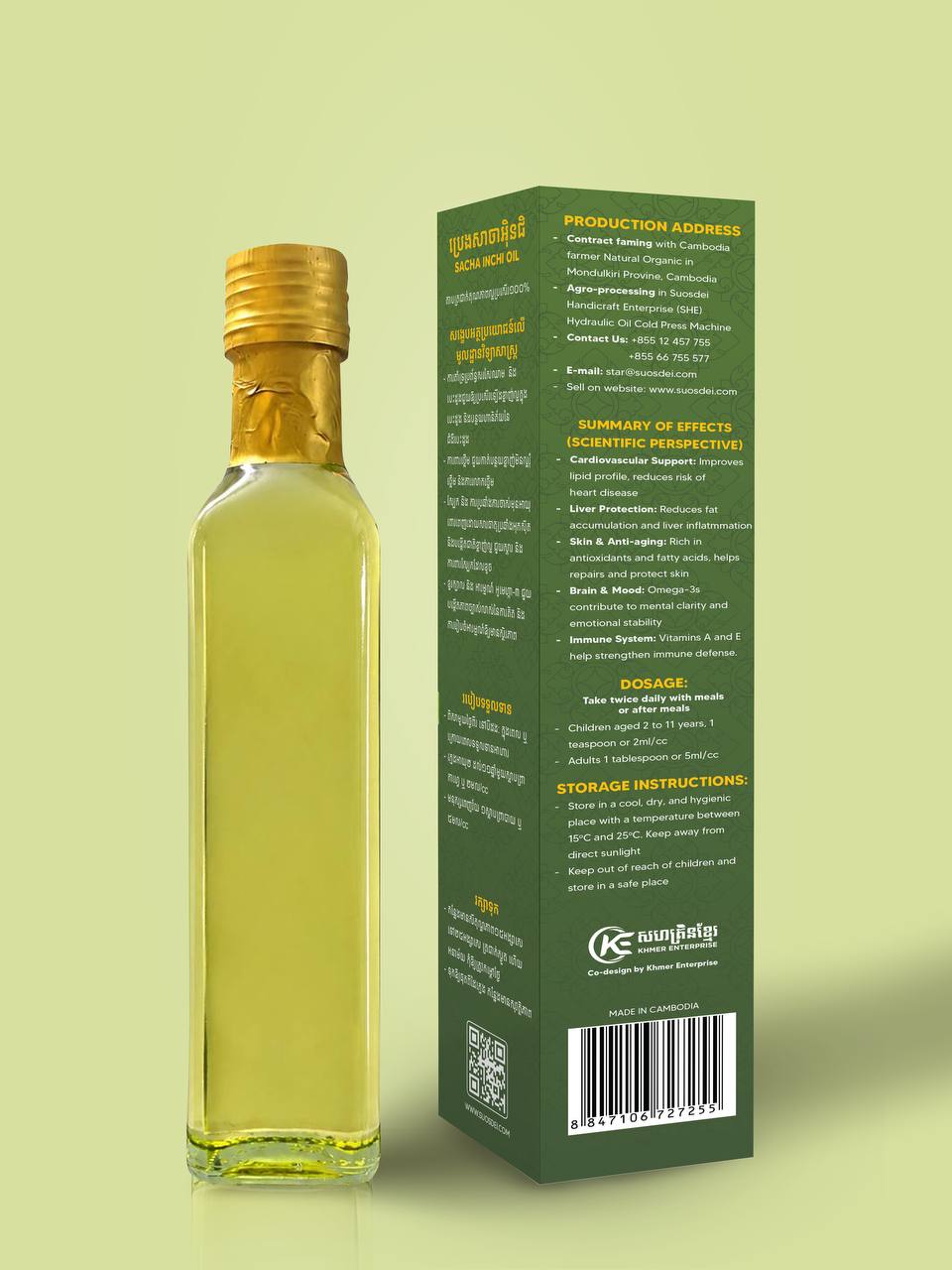
- Take the oil twice a day during meals or with food/beverages. Children aged 2-12 years: 2 ml / cc or 1 teaspoon. Adults: 5ml / cc or tablespoon.
- Effectiveness : The beneficial effects of Sacha Inchi oil usually begin to show within then first 2-3 days after consumption.
- Side effects : For some people, the first time consuming the oil may cause stomach pain or nausea, but after taking it for 2-3 times, these issues will no longer occur .
- Storage: Keep in a cool place at a temperature of 10-20 oC . After use, close the bottle tightly. Keep out of reach of Children.
References:
- Key reference documents are extracted from official websites:
- www.nlm.nih.gov-the official website of the United States National Library of Medicine.
- The official website of the World Health Organization (WHO) and the Food of United Nations (FAO) – www.codexalimentarius.org.
- Malaysia’s official website-www.allecca.com
- Laboratory data has confirmed that it contains Omega-3 : 48% Omega – 6 : 37% Omega – 9 : 9% Vitamin A: 38% Vitamin E :12% Sacha Inci oil contains: Tryptophan, Serotonin, Precursor a-Linoleic, and Proteins.
Omega Sacha Inchi Oil
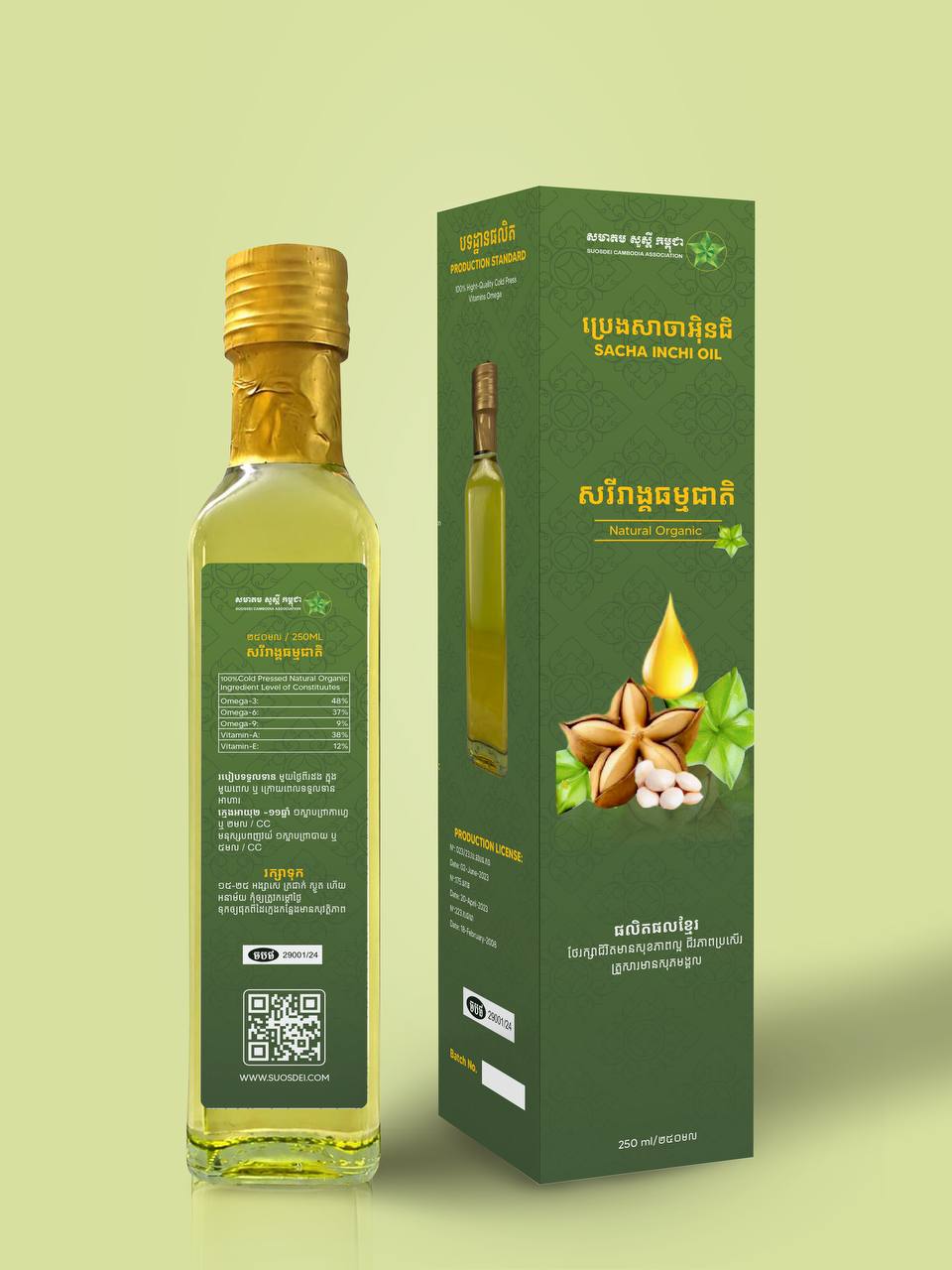
- Omega Sacha Inchi Oil contains Omega-3: 48% Omega-6: 37% Omega-9: 9%, Vitamin A: 38% and Vitamin E: 12%. All these omega and vitamin nutrients come from nature, not artificially made by humans,. Just this one vitamin-rich Omega Sacha Inchi Oil can help the human body achieve many health benefits.
- If you are healthy, you can drink it to make your life even healthier. As for those who are not in good health, consuming Omega Sacha Inchi Oil vitamin can help improve their health.
- Its effectiveness in your body lasts for a long time, and it does not harm anu organ in your body. It can be consumed daily.
Medicine
- Medicine is created through scientists, science produces it by combining different ingredients. Medicine has both advantages and disadvantages.
- Advantages: When a doctor examines a sick person and clearly identifies the illness, the choose the right medicine for that specific disease, which can truly cure it (in some cases).
- Disadvantages: Although the disease may be cured, the medicine sued for treatment can sometimes cause problems or side effects to other healthy parts of the body. Its effectiveness usually lasts only about 6 to 8 hours. If the the illness is not yet cured and the patient stops taking, drinking, or injecting the medicine, it will no longer be effective. Once the illness is cured, the medicine should not be continued.
- If you want to know clearly, please consult a doctor-he will explain in detail. ( Before taking, injecting, or applying any medicine, it is best to follow the doctor’s prescription.)